
 FEATURED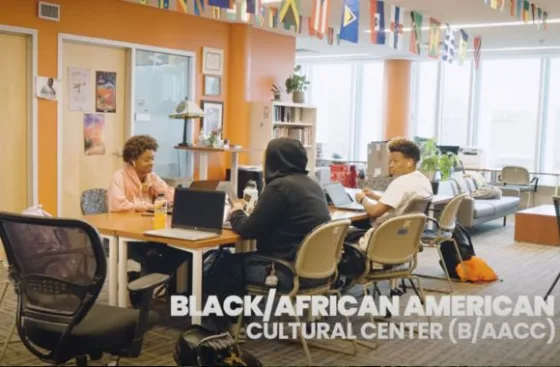
Key Takeaways
- America First Legal filed a civil rights complaint against Colorado State University, claiming its DEI programs violate federal law by engaging in racial discrimination in hiring and scholarship distribution.
- The complaint argues that CSU has merely renamed its DEI initiatives to conceal unlawful activities.
- CSU officials maintain that DEI programs are legal and essential for student support, but the university has made changes to align with Trump administration directives.
- Some education experts argue that DEI practices are politically motivated and ultimately harm the very groups they intend to help.
America First Legal recently filed a federal civil rights complaint against Colorado State University, alleging it has “renamed” but maintained its “diversity, equity, and inclusion” programs in violation of federal law.
The complaint alleges that the university’s DEI policies shape faculty hiring practices, distribute scholarships based on race, mandate identity-focused courses for all students, and operate a bias reporting system.
Despite President Donald Trump’s January executive order banning DEI in higher education, the school has not removed these programs, “but instead has renamed them to purposefully hide these unlawful programs, all to give the illusion that CSU is complying,” AFL stated in a news release
“For instance, CSU’s Office of Inclusive Excellence cleverly overhauled its site to hide illegal DEI policies displayed on its original site,” AFL stated.
AFL alleges these programs violate the Civil Rights Act of 1964, which outlaws discrimination based on race, color, religion, and sex.
Three education experts told The College Fix that universities nationwide are violating this law with DEI and affirmative action practices.
“For decades, America’s colleges and universities have been taking taxpayer money while breaking the nation’s laws intended to protect civil rights,” Heartland Institute Senior Fellow S. T. Karnick told The Fix.
He said “the federal government is finally committed to enforcing these laws.”
“Whistleblowers, activist organizations, and state governments now have the responsibility to expose these institutions’ lawbreaking and inform the Department of Education’s Office of Civil Rights of offenses,” he said.
Similarly, Project 21 Director at the National Center for Public Policy Research Terris Todd told The Fix that DEI and affirmative action practices are “politically motivated to get people like Black Americans to think it benefits them.” But in reality, they do the opposite, he said.
Project 21 is an initiative aimed at promoting black conservatism and alternative viewpoints.
Todd said: “Affirmative action started off one way and then it faded into the wind a few decades later. It served its time, it served its purpose during its time.”
Moreover, Jonathan Butcher, an education policy expert with the Heritage Foundation, told The Fix that “CSU appears to be disguising DEI as something else, renaming their programs while still operating discriminatory offices and keeping policies in place that are based on racial preferences—and this is a trend.
“My research along with my colleague, Mike Gonzalez, found several colleges and even K-12 school systems doing the same thing.” Butcher added, “Private companies that violate civil rights laws with racial quotas for hiring and other programs have been under investigation around the country, as well.”
“Americans do not like the use of racial preferences in public programs—surveys have found this for many years,” he said.
On the other hand, universities such as CSU insist that ongoing DEI practices are legal and do not violate the Constitution.
The College Fix contacted CSU media relations and administrators multiple times via email and phone to ask about their response to the complaint, but none responded.
However, in a February letter to CSU System campuses, Chancellor Tony Frank defended the school’s DEI programs after the U.S. Department of Education sent a “Dear Colleague” letter labeling such activities illegal under federal law.
“We have argued, and continue to believe, that these programs are fully legal,” Frank stated.
“They are open to all students, and, at their core, they speak to two fundamental principles as old as CSU: that every student, regardless of race, gender, background, etc., should feel welcome here; and that we want to provide the resources for every student to succeed,” the chancellor stated.
However, in February, CSU President Amy Parsons also announced policy changes to align with the Trump administration’s DEI directives.
Changes included shifting employee duties and pausing programs like SafeZone training for LGBTQ+ support and student dialog sessions on racism. CSU also began limiting its cultural resource centers’ capacity despite their openness to all students.
About 200 students protested the changes on Feb. 19. The CSU Student Coalition for DEIA organized the protest, decrying the moves as a betrayal of inclusivity and student well-being.
“These cultural resource centers offer such valuable resources not only to the students who attend them but to the students who don’t and they also just create spaces of belonging within CSU,” coalition member Ella Smith told CPR News at the time.
Chief Operating Officer Kathleen McCrohan from the Colorado Lawyers Committee declined to comment when reached by The Fix.

