BUZZ
BUZZ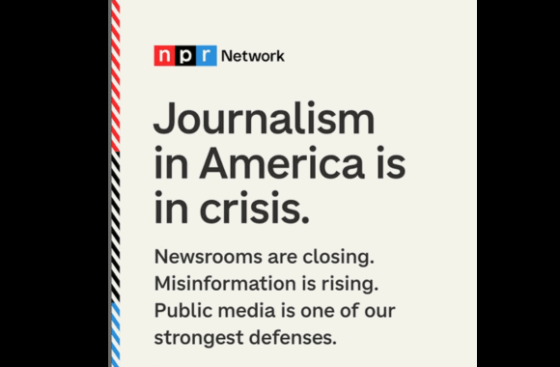
‘Over the last decade, NPR’s classical segments have become laboratories for performative inclusion,’ clinical psychology researchers say
National Public Radio’s embrace of DEI has led to many people, including college students, turning off the station, according to Northwestern University researchers.
Congress recently passed legislation to cut $1.1 billion from the Corporation for Public Broadcasting, which passes on money to NPR, PBS, and other public media stations.
Kevin Waldman and Forest Romm, clinical psychology researchers, cite a 2024 Northwestern University study which they say found only two percent of students at the Big Ten school have listened to NPR. Of that small number, only 17 percent listen regularly.
“That’s right: Fewer than one-half of one percent of students at one of America’s most intellectually engaged universities still consider NPR a relevant part of their cultural experience,” they wrote in The Hill last week.
“In the 1990s and early 2000s, more than 40 percent of college students reported tuning in to NPR during a given semester, with nearly half of those listening regularly,” the authors wrote.
The College Fix could not locate the specific study referenced. However, just six percent of NPR listeners are in the 18 to 24-years-old range, according to Market Ingenuity.
The researchers suggest “DEI ideology,” particularly when it comes to music selection, has ruined the station for young people.
Previously, public radio “offered emotionally rich, intellectually accessible programming that invited listeners into music that transcended cultural boundaries.”
No longer.
Fromm and Waldman write:
Over the last decade, NPR’s classical segments have become laboratories for performative inclusion, where programming is governed not by aesthetic judgment but by demographic optics. DEI ideology now functions as a selection criterion. Composers are elevated for what they represent — not for what they compose. The result is music introduced not through its structure, innovation, or affective power, but through the race, gender, or social positioning of its creators.
The loss of young listeners is not because they do not like classical music; the researchers cite an article which suggests there is actually an increased interest among younger people. Other reports also suggest classical music listenership is growing among younger generations.
“If NPR hopes to survive, it must return to what made it great: the unyielding belief that excellence, not messaging, is the highest form of inclusion,” the researchers concluded. “Until then, it will remain a case study in how great institutions disappear — not with the bang of a scandal, but with the whimper of disillusionment.”
MORE: ‘Black Scholars Matter’ program draws federal civil rights complaint
IMAGE CAPTION AND CREDIT: National Public Radio Instagram post encouraging listeners to donate; NPR/Instagram