
 BUZZ
BUZZ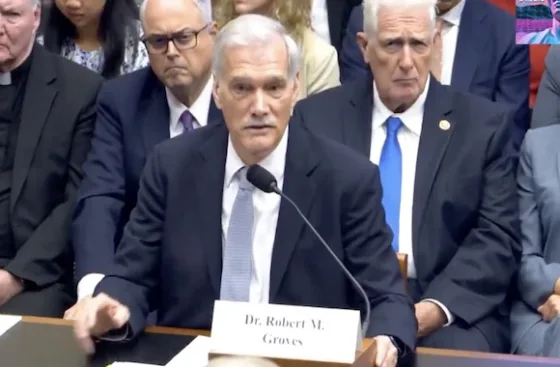
Must balance ‘commitment to openness and international engagement with obligations to comply with applicable laws’
Georgetown University Interim President Robert Groves recently responded to accusations by several United Nations special rapporteurs that the school had engaged in “potential human rights violations.”
In a mid-October letter to Groves, the UN representatives — self-described “independent human rights experts” from Ireland, Pakistan, Bangladesh, Colombia, and Egypt — centered on the situation of postdoctoral researcher Badar Suri.
“Please provide information about the measures your university intends to take to protect the rights of students and scholars, particularly Dr. Badar Khan Suri as well as other student activists and human rights defenders at Georgetown University expressing their solidarity with victims of human rights violations in Gaza and the West Bank,” the letter reads.
“These individuals, many of whom held valid immigration status, have faced violations of their rights to liberty, due process, freedom of expression, peaceful assembly, religion and access to justice. Reports indicate a pattern of arbitrary detention, transfers to remote facilities, denial of medical care, religious discrimination and the use of unsubstantiated national security.”
According to The Hoya, the rapporteurs also wanted assurance “on how the university plans to prevent repression of expression protected under articles 19 and 21 of the International Covenant on Civil and Political Rights (ICCPR).”
A federal judge ruled earlier this year the Trump administration could not deport Suri for allegedly “violat[ing] the terms of his academic visa.” The Dept. of Homeland Security had alleged Suri was “spreading Hamas propaganda and promoting antisemitism on social media.”
In his response, Groves noted that at the time he “expressed deep concern about the circumstances of [Suri’s] arrest and any implications for free speech.”
But he added Georgetown “must balance [its] commitment to openness and international engagement with our obligations to comply with applicable laws, including those immigration laws and regulations that pertain to hosting international scholars and students.”
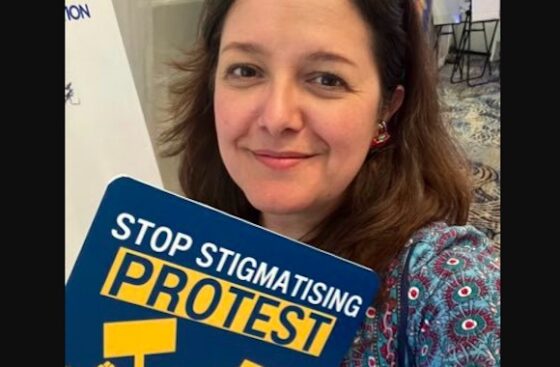
Gina Romero (pictured), the Colombian UN Special Rapporteur “on the rights to freedom of peaceful assembly and of association,” had urged Harvard Law School students back in March to fight against the Trump administration’s alleged attack on “free speech principles.”
Romero said she was “touched” hearing of the “terrible stress and trauma” suffered by the Harvard community regarding free expression, and had claimed police departments’ dismantling of campus pro-Palestinian encampments “represented bias” against black and Arab students.
MORE: Academic groups sue Trump admin to stop deportation of pro-Palestinian students

