EDITORS' CORNER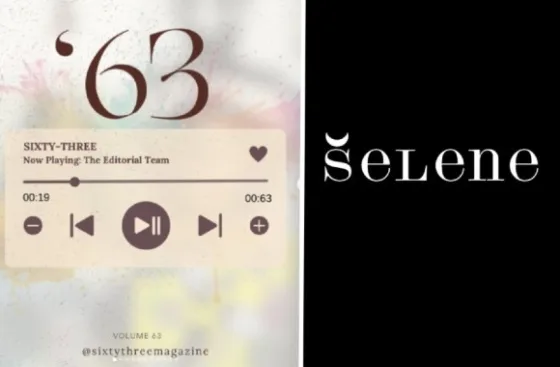
University claims student-run magazines were ‘unlawful proxies’ for sex and race discrimination
A federal judge sided with the University of Alabama on Friday over its decision to defund two student-run magazines focused on black and female audiences.
The ruling drew criticism from the Student Press Law Center, which described the university’s actions as “blatant” censorship.
“The court’s decision flies in the face of nearly six decades of student press law that clearly designates student media as student speech, not government speech,” senior counsel Mike Hiestand stated in a news release Tuesday.
“Not only does the ruling permit the University of Alabama to get away with a blatant example of censorship, but it also jeopardizes the First Amendment rights of college student journalists nationwide,” Hiestand stated.
On Friday, U.S. District Judge Edmund Lacour denied the students’ request for a temporary injunction that would have blocked the university’s defunding action, according to a copy of the ruling on the press center’s website.
Lacour determined that the university’s decision was “entirely reasonable.”
One magazine, Alice is “by and for women,” and the other, Nineteen Fifty-Six, is “a Black student-led magazine that amplifies Black voices.”
“The University determined that its educational mission was better served by a magazine that was not ‘by and for’ students of only one race or sex and was instead welcoming to a broader range of content and contributors,” the judge wrote.
“The magazines were not closed because of the perspective of the editorial boards. They were closed because of the limiting, exclusive nature of the ‘topic[s] discussed’ and ‘the substance of the message more generally.’ … That kind of content-based distinction is permissible within a limited public forum,” Lacour wrote.
The students who run the magazines filed the lawsuit in March, alleging the public university unfairly censored their publications and infringed on their First Amendment rights, The College Fix previously reported:
When pulling the funds, the school claimed the magazines were “unlawful proxies” for sex and race discrimination. It cited a July 2025 memorandum from Attorney General Pam Bondi on unlawful discrimination in federally funded programs, according to the lawsuit.
However, the students argue the memo does not mention student-run or university-funded publications. It also does not discuss students’ First Amendment rights or the university’s constitutional obligation to avoid viewpoint discrimination in such forums, the lawsuit states.
“UA administrators disfavor their editorial perspectives related to race and gender,” the lawsuit states.
Previously, a spokesperson for the Foundation for Individual Rights and Expression raised concerns about the Alabama institution violating students’ First Amendment rights in a comment to The Fix.
“When a university bases its decision to kill off a student publication because of what it expresses, that causes a constitutional problem,” FIRE spokeswoman Marie McMullan said.
“A public university cannot silence a publication based on its specific editorial perspectives and opinions,” she said. “That is what appears to have happened here.”
Notably, in March, the students launched two new magazines with the same missions, The Fix reported.
The magazine Sixty-Three, formerly Nineteen Fifty-Six, is focused on black students, while Selene, formerly Alice, is “by and for” women. Both are privately funded and independent of the university.
The new magazines also have editorial teams exclusive to their audiences: Sixty-Three’s is all black, and Selene’s is all female, according to staff photos posted on their Instagram pages.
MORE: U. Alabama defunds black, female student magazines, citing federal DEI crackdown