FEATURED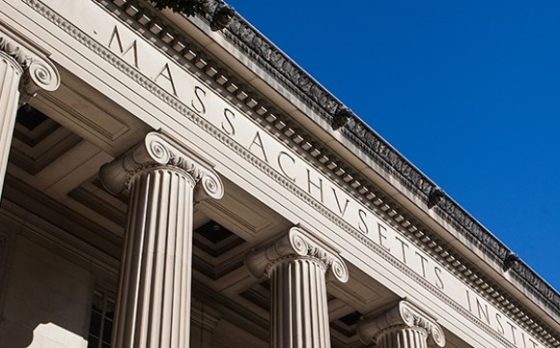
DEI persists at America’s top tech schools despite pressure to eliminate it, research finds
A higher education watchdog group has published a series of investigative reports sounding the alarm on continuing diversity, equity and inclusion practices at some of America’s top technology universities: MIT, Georgia Tech, and Caltech.
The three case studies by researchers with the center-right National Association of Scholars focused on what NAS’s Director of Science Programs Scott Turner called “the shapeshifting nature of the DEI regime,” adding he is surprised at the extent of “the stealth rebranding.”
The reports, published this month, found that the universities were “shuffling DEI employees to other administrative units where they can carry out the same program, but hidden away from scrutiny,” Turner told The College Fix via email.
The case studies examined how DEI has been embedded in these institutions for decades, and can still be found, albeit in new forms, rebranded and under the radar.
Georgia Tech’s case study notes that to get ahead of pending GOP-led legislation that would outlaw DEI, officials preemptively “scrubbed DEI language from its website and ‘closed/moved’ the LGBTQ+ Resource Center and the Women’s Resource Center.”
But according to the report: “Not a single DEI administrator was dismissed, however, indicating Georgia Tech’s ongoing appeasement of DEI, rather than conforming to law.”
Georgia Tech media relations division told The College Fix in an email that the school “adheres to all federal and state laws,” noting it closed DEI-related student centers, cut programs connected with the Chinese Communist party, changed hiring processes, and dissolved the DEI office in accordance with state law.
NAS researcher Ian Oxnevad told The College Fix that a lot of DEI cuts have been merely cosmetic. Although university policies change, “it is impossible to know what logic is going into things like promotion, publication, admissions,” because of the social capital DEI still receives, he said.
Upon changing the DEI admissions policies to adhere to Students for Fair Admissions v. Harvard, which outlawed affirmative action, Caltech responded by “lowering admissions standards,” the report stated, dropping required “prerequisites in calculus, chemistry, and physics” for admission.
Caltech also began to shift focus to student groups and campus policies, seen in the rising number of gender-neutral bathrooms, the report found. These changing policies “clearly [were] designed to instill a racialized worldview,” Oxnevad told The College Fix.
These are two examples of what Oxnevad called the DEI “rebrand.”
The report on MIT looked at continuing university programs that do not directly fall under DEI laws yet still pose risks to the quality of STEM education. For example, the report cites the queer “non-normative research methodologies” supported by MIT.
Turner said he is concerned with the quality of education at these three universities given the results of the reports. DEI sidelines the “core values of science and engineering: empiricism, objectivity, [and] a solid grounding in mathematics and science,” he told The College Fix.
For STEM to return to its proper rigor, “DEI has to be purged utterly.” But, given its depth and decades of entrenched practice in these universities, it will be “very difficult.”
MIT and Caltech did not respond to requests for comment about the report.
MORE: Under pressure, Clemson removes DEI requirement from chemical engineering class