FIX EXCLUSIVES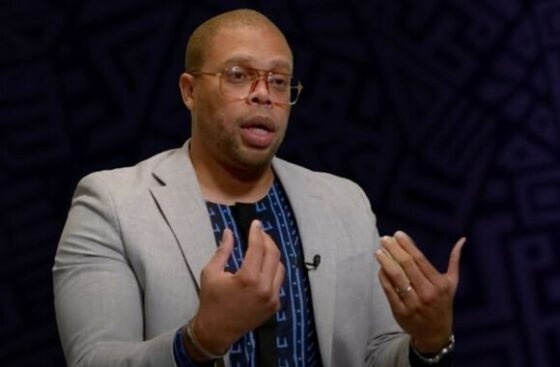
Course aligns more ‘with pop-cultural fascination than serious academic inquiry,’ policy analyst says
Temple University is set to offer a course this fall on rap and hip-hop artist Kendrick Lamar with an “in-depth Africological analysis” of his life.
The course, titled “Kendrick Lamar and the Morale of m.A.A.d City,” aims to “explore the relevance of hip-hop as the preeminent modern Black aesthetic,” according to the course description.
Students at the public research university in Philadelphia will also study hip-hop “as the definitive cultural expression of this generation, and Kendrick Lamar as one of its most defining figures,” the description states.
It further states that the main focus of the course “is to provide a comprehensive foundation for understanding the relevance of hip-hop’s role in the modern African American experience, its representation and misrepresentation of African Americans, as well examining the impact of one of the culture’s most influential artists.”
The College Fix reached out to Professor Timothy Welbeck, the course instructor and a hip-hop artist who also leads the university’s Center for Anti-Racism, for more information.
He referred The Fix to his prior interviews on the topic, including one with WHYY.
Lamar is “one of the leading voices of his generation” with a “keen ability to articulate various dynamics of Black life and the quest towards self-actualization,” Welbeck (pictured) told the outlet.
Lamar also captures “the narrative of marginalization,” Welbeck said.
In addition, Welbeck told NBC Philadelphia that students will listen to at least three or four of Lamar’s albums. While the professor has been developing this course for about a year, he told the outlet he has incorporated Lamar’s work into his classes for the past decade.
However, this academic focus has sparked some dissent.
A Heritage Foundation education policy analyst told The College Fix via email the course reinforces “ideological perspectives rather than cultivating the kind of intellectual discipline a liberal education demands.”
MORE: Boston U. course will teach social workers to advance ‘reproductive justice’
“As the cost of college education has soared over the past several decades, colleges and universities should be held to a higher standard in ensuring that students receive a rigorous, well-rounded, education, one that cultivates critical thinking, transmits core knowledge, and prepares graduates with durable skills for the workforce and civic life,” Madison Doan said.
Doan said the new class “is a telling example of how higher education institutions are drifting from those aims.”
She pointed out a section of the course description that promises to help students understand “hip-hop’s role in the modern African American experience and its representation and misrepresentation of African Americans.”
“While exploring elements of culture can be valuable, this course seems more aligned with pop-cultural fascination than serious academic inquiry,” she said.
Doan told The Fix this “trend is not unique to Temple,” as she and two coauthors explain in their recently released book.
In “Slacking: A Guide to Ivy League Miseducation,” Doan, Adam Kissel, and Rachel Alexander Cambre demonstrate how many elite universities are offering more and more courses centered on “entertainment, political orthodoxy, or personal identity, instead of the deep study of literature, history, philosophy, science or economics,” the policy analyst told The Fix.
What’s more, Temple’s new course aligns with its state-funded expansion of its anti-racism efforts last year.
Pennsylvania taxpayers spent $1.3 million to build the school’s “Center for Anti-Racism” inside an existing campus building, The Fix reported.
A university spokesperson previously told The Fix “during the 2023-2024 academic year, CFAR hosted four academic conferences, partnered with city agencies to evaluate systemic racism in city institutions and develop strategies to mitigate its harm in Philadelphia.”
“To that point, during the past year, CFAR Director Timothy Welbeck testified in a Philadelphia City Council hearing in support of newly proposed hate crime legislation, which seeks to mitigate the rise of antisemitism, racism, and xenophobia,” the spokesperson said.
In addition, Temple committed more than $1 million to combat racism in 2020, announcing that “racism in the United States remains a persistent and urgent problem.”
MORE: Stanford professor keeps fighting to defend rigor in math curricula
IMAGE CAPTION AND CREDIT: