
 FEATURED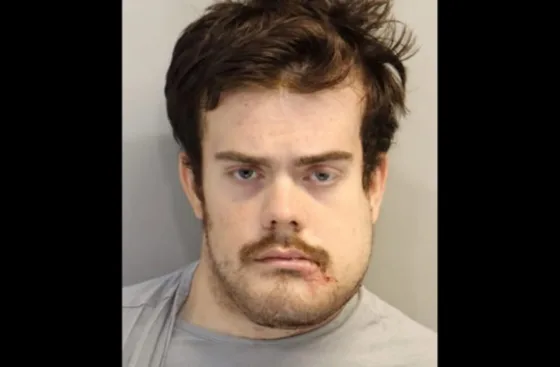
Critics say ChatGPT should have caught red flags while others say alleged shooter asked hundreds of questions about basic facts
Artificial intelligence platform ChatGPT is facing multiple accusations that it is liable for a mass shooting at Florida State University.
Both the state’s attorney general and the family of a slain university worker accuse the platform, which is owned by OpenAI, of aiding in the April 17, 2025 shooting that killed two people and wounded six others.
Attorney General James Uthmeier says his office is “demanding answers on OpenAI’s activities that have hurt kids, endangered Americans, and facilitated the recent FSU mass shooting.”
“Wrongdoers must be held accountable,” Uthemeier said in an X post.
Similarly, a federal lawsuit, filed on May 11, accuses the platform of not recognizing red flags in messages sent by Phoenix Ikner, who is facing a trial in October for the shootings. The estate of slain Aramark supervisor Tiru Chabba similarly accuses ChatGPT of complicity in the killing.
Florida State University deferred comment to the Attorney General’s office, who then referred The Fix to its April 21 news release.
The release states: “Florida law states that anyone who aids, abets, or counsels someone in the commission of a crime, and that crime is committed or attempted, may be considered a principal to the crime. The ‘aider and abettor’ is just as responsible for the crime as the perpetrator.”
Today, we launched an investigation into OpenAI and ChatGPT.
AI should advance mankind, not destroy it. We’re demanding answers on OpenAI’s activities that have hurt kids, endangered Americans, and facilitated the recent FSU mass shooting.
Wrongdoers must be held accountable. pic.twitter.com/vRVCqIYKnB
— Attorney General James Uthmeier (@AGJamesUthmeier) April 9, 2026
According to the news release, the attorney general office issued subpoenas to OpenAI for all system information regarding threats, crime reporting, and law enforcement, including any changes thereof, from March 1, 2024, to April 17, 2026.
The Office of Statewide Prosecution also subpoenaed a list of all OpenAI managerial employees and all ChatGPT employees on March 1, 2024, October 1, 2024, and April 17, 2025. It also asks for all media and statements that relate to the April FSU shooting.
Court documents reviewed by NBC News indicate Ikner exchanged more than 200 messages with ChatGPT prior to the shooting. Those messages allegedly included questions about mass shootings, suicide, firearms, and campus-specific logistics.
According to the documents, Ikner also asked how the country might react to such a shooting and when the student union would be busiest.
In a statement to NBC News, OpenAI said it plans to cooperate with investigators. OpenAI did not respond to multiple requests for information via email over the past few weeks. The Fix asked about the messages between Phoenix Ikner and ChatGPT, how it’ll assist in the investigation, and any limits on sharing information with law enforcement.”
A legal expert on lawsuits explained how criminal and civil liability could apply
“Most AI programs are designed to provide support and validation to what the user proposes, even if that is suicide, murder, or some other crime,” Professor John Banzhaf told The Fix via email. “[But] given the high level of ‘thinking’ and analysis of which AI programs are capable, it should have recognized why the user was consulting it from the questions asked.”
The public interest lawyer cited cases where AI platforms were found liable for negligence or child endangerment. Though different from the FSU case, he noted both cases turned AI companies into less formidable opponents.
“[E]ven very large powerful corporations can be beaten by clever attorneys using novel legal strategies, and they will probably encourage future juries to take out their growing concerns about big tech and AI with large verdicts,” the George Washington University law professor wrote.
Professor Banzhaf believes First Amendment arguments will come up in the ongoing trial, though they will likely be unsuccessful. He cited a similar case where publishers of a book someone used as advice to commit murder were sued, and their First Amendment defenses failed to work.
He notes, however, that “it is much more difficult to establish proof beyond a reasonable doubt in a criminal case than to prove a civil case by only a preponderance of the evidence standard.”
On the other hand, some are skeptical that OpenAI is responsible for the attack.
Commenting on the federal lawsuit, Elizabeth Brown argued that the alleged shooter asked hundreds of questions that in themselves did not indicate he planned to commit a mass shooting.
Writing at Reason, Brown said:
It wasn’t as if Ikner talked with ChatGPT about nothing but mass shootings. Joshi’s complaint alleges that ChatGPT “helped him with his homework and his work-out routines, gave him tips on getting girls and relationship advice, and suggested to him how to dress and style his hair.” They chatted about everything from loneliness and being bullied to video games, Nazis, Christian nationalism, Donald Trump, and mental health.
She said ChatGPT also allegedly recommended Ikner seek mental health counseling.
“Most people who contemplate suicide don’t become mass shooters,” she said, arguing against the theory that ChatGPT should have recognized red flags. “It’s natural for people to want information about assassination attempts on the president.”
MORE: ChatGPT makes up stories to accuse professors of sexual misconduct

