BUZZ
BUZZ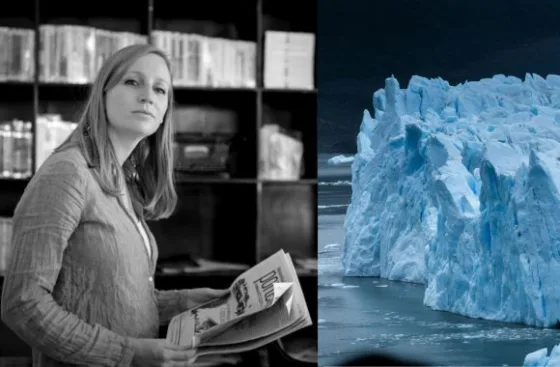
Bioethicist says glaciers are not ‘more than human beings’ though
Glaciers have “agency” and are “more than human beings,” according to a recent science journal article.
“The living glacier: Cultural memory, emotional impact, and the right to exist in the Andes,” explores how glaciers are “sacred entities.”
“Building on interdisciplinary perspectives and Rights of Nature frameworks, [the article] argues that glaciers should be recognized not only for their ecological functions but also as more-than-human beings with rights to exist, regenerate, and be protected,” the author argues in PLOS Climate.
Society must “honor glaciers while they are still alive, and to reshape human relations with nature through humility, reciprocity, and caring practices,” according to Ecuadorian professor Emilie Dupuits.
The international relations professor argues:
In the context of accelerating climate change and widespread ecological degradation, there is growing academic and legal interest in reframing natural entities—such as glaciers—as more-than-human beings. This conceptual turn challenges anthropocentric ontologies by recognizing that ecosystems possess intrinsic value and agency beyond their utility to human interests. Glaciers, in particular, are increasingly positioned not merely as passive indicators of climate change but as relational entities that demand ethical and legal consideration. The agency of glaciers means that their material transformation and possible death produce impacts on human beings’ practices and feelings.
She also argues that Indigenous religions recognize that glaciers are alive.
“For various Indigenous communities, glaciers are living ancestors, sacred beings, and integral parts of a relational world,” she writes. “For many Andean communities, the disappearance of the glacier also means the progressive loss of cultural memory and traditions associated with it.”
But a bioethical expert disagrees with these assertions, including that glaciers should be exalted above humans.
“Glaciers are made up of snow that over millennia compacted into ice,” Wesley Smith wrote at National Review. “They grow or shrink based on climate. They are geological features.”
While he called the argument “nonsensical,” he also said it cannot be ignored.
“We can laugh at the craziness. But opponents need to be just as engaged as activists if we are to prevent irrationality from governing environmental policy in the West,” Smith wrote.
This is not the first time academics have proposed glaciers can be alive.
In 2016, a University of Oregon dean released a paper using “feminist glaciology framework,” as The College Fix previously reported. The paper asked what gender glaciers are.
MORE: One year later, Kendi begins hiring for antiracism center