EDITORS' CORNER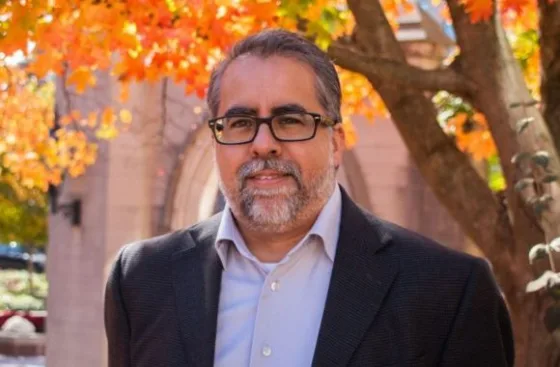
Key Takeaways
- A new Indiana law requires public university professors to post their syllabi online, which Professor Gerry Lanosga argues threatens academic freedom and feels like 'surveillance.'
- Lanosga, despite opposing the law, acknowledges that faculty typically have nothing to hide in their syllabi and questions the law's rationale regarding its motives.
- This editor's corner argues the law is justified on the grounds that public university professors are funded by taxpayers and should be accountable for their teaching materials, promoting transparency in public education.
OPINION
A new Indiana law requiring public university professors to post their syllabi online “threatens academic freedom,” according to an Indiana University Bloomington professor who is involved in government transparency efforts.
The law, included in a budget passed in May, “almost certainly will have a chilling effect on professors,” according to Professor Gerry Lanosga.
Beginning this school year, professors must post their syllabi online for not just students to see, but the entire public, which includes the taxpayers who actually fund the operations of the university.
Yet for Professor Lanosga (pictured), this amounts to “surveillance,” according to comments he gave the student newspaper. He also joked “Maybe the impact on posting them to the public is that students may read it more.”
The media studies professor said he has nothing to hide, even though he opposes the law.
“It isn’t inherently bad — faculty don’t have anything to hide in their syllabi and people will comply with the law,” Lanosga said. “But what is the rationale? What are the motives? It hasn’t been made clear,” he told the Indiana Daily Student.
The rationale is that public university professors are supposed to serve, well, the public. They are paid by taxpayers to teach classes and conduct research. The secondary principle is that the work of public employees should be generally available to the public.
Lanosga should know this since he specifically lists “freedom of information” as an interest on his faculty bio, he won the “Investigative Reporters and Editors’ Freedom of Information Medal,” and serves on the board of the Indiana Coalition for Open Government.
Instructors have some flexibility to reveal certain information just to enrolled students, according to the student newspaper. A good law leaves some room for exceptions.
But in general, the work of public professors should be free and open to the taxpayers. There are other benefits as well – perhaps prospective high school students want to know what they will learn in a political science, chemistry, or economics class if they attend IU.
What it comes down to is that some professors still do not understand that they serve the taxpayers, not the other way around.
An open government should be willing to share what its employees are doing on behalf of the state taxpayers.
The executive secretary of the Indiana Coalition for Open Government should know that.