
 BUZZ
BUZZ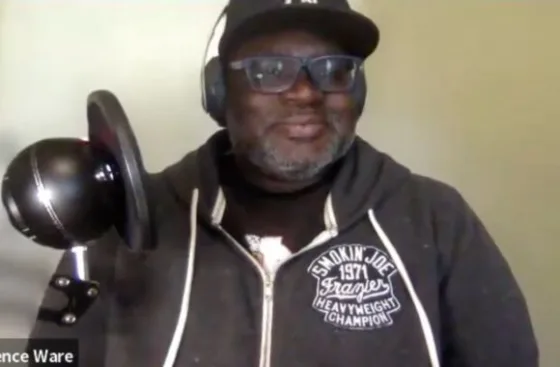
‘This is why Bad Bunny is crushing it in streaming numbers and winning Grammys’
The choice of Puerto Rico’s Bad Bunny as Super Bowl 60’s halftime entertainment was a controversial one, with many questioning how his progressive politics and Spanish-language lyrics would appeal to the audience at large.
But the associate director of Africana Studies at Oklahoma State University was unhappy for a different reason: Bad Bunny snatched his musical ideas from black artists in the Caribbean and Latin America.
According to Lawrence Ware in The Root, Bunny, aka Benito Antonio Martínez Ocasio (he had that last name on his all-white Jersey during the SB performance), has advanced the style reggaetón while its “black pioneers” have been “pushed to the margins.”
Reggaetón originated with “Black West Indians in Panama who took Jamaican dancehall and gave a Spanish soul,” and in the 1990s Puerto Rican artists “laced the sound with Hip Hop grit and Afro-Puerto Rican flavor,” Ware says.
Despite a single line conceding that race and racial identity in Latin America are “nuanced” and “complex,” Ware claims the music industry began “prioritizing and promoting” artists like Bad Bunny who, as Ware puts it, “identify as white.”
“This is why Bad Bunny is crushing it in streaming numbers and winning Grammys,” Ware says. “He taken a Black musical sound and gentrified it.”
Black Folks Are NOT Rooting for Bad Bunny’s Super Bowl Halftime Show
— Creole Louisiana 🇺🇸 (@bAnthonYsr) February 5, 2026
THERE I FIXED IT https://t.co/puRYXl9pBH
Gentrification isn’t just about who moves in. It is about sanitizing a space that was formerly Black to make white people feel welcome. What Bad bunny has done to reggaeton is sonically polish the genre’s raw, Afro-diasporic sound and make it more palatable for a global, non-Black audience.
So should Black folks watch this year’s Super Bowl Halftime show? Sure. Why not. I don’t want to yuck anyone’s yum.
Clap, tweet, argue online about representation and tell yourself that this is a win for the culture if it helps you sleep at night. Just know that what you’re really watching is a Black sound, stripped for parts, remodeled for mass consumption, and handed to white folks for resale.
In the op-ed, Ware refers to the headliner of TPUSA’s alternative halftime show, Kid Rock, as a “washed-up white boy.”
In 2019, Ware nebulously complained in a New York Times piece that the decreased screen time of Afro-Latino Spider-Man Mile Morales in “Spider-Man: Into the Spider-Verse” put him in a “tough spot” because his son loves the character.
More recently, Ware worried black people could be in danger at white churches due to the alleged increasing “dangers of white Christian Nationalism.”
MORE: White people need to ‘work’ on their ‘whiteness’: sociologist

