BUZZ
BUZZ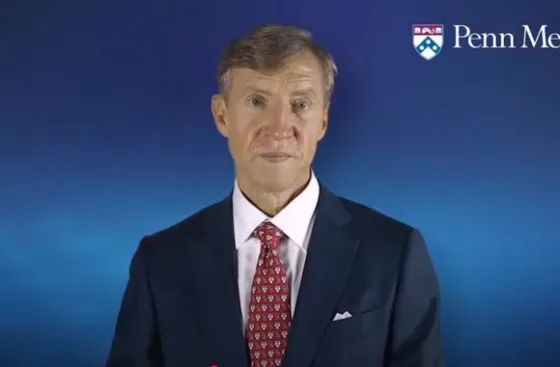
Key Takeaways
- Three universities rejected Trump's Compact for funding benefits, citing threats to academic freedom and merit-based research.
- Penn President emphasized commitment to merit-based achievement and accountability, while USC's Interim President expressed concerns about research benefits undermining academic values.
- Brown University expressed that the Compact could restrict academic freedom and undermine institutional autonomy.
UPDATED
The University of Pennsylvania, the University of Southern California, and Brown University rejected President Donald Trump’s reform deal for funding benefits this week, citing threats to free inquiry and merit-based academics.
In a letter to the campus community Thursday, Penn President J. Larry Jameson wrote, “Earlier today, I informed the U.S. Department of Education that Penn respectfully declines to sign the proposed Compact.”
The university also told the Trump administration where it already aligned with the compact and where it found concerns, Jameson stated.
“At Penn, we are committed to merit-based achievement and accountability … Shared goals and investment in talent and ideas will turn possibility into progress,” he wrote in the letter.
Also on Thursday, USC Interim President Beong-Soo Kim announced in a message to the campus community that the school “has declined to join the proposed Compact.”
He included a letter he sent to Secretary Linda McMahon, highlighting concerns about academic freedom.
“[W]e are concerned that even though the Compact would be voluntary, tying research benefits to it would, over time, undermine the same values of free inquiry and academic excellence that the Compact seeks to promote,” the interim president wrote.
He also wrote that although the school is rejecting the proposal, “the issues and aspirations raised by it are worthy of a broader national conversation to which USC would be eager to contribute its insights and expertise.”
Similarly, Brown University President Christina Paxson sent a letter to the Trump administration Wednesday declining to participate in the compact, according to a news release from the school.
“I am concerned that the Compact by its nature and by various provisions would restrict academic freedom and undermine the autonomy of Brown’s governance, critically compromising our ability to fulfill our mission,” Paxson wrote.
“Additionally, a fundamental part of academic excellence is awarding research funding on the merits of the research being proposed. The cover letter describing the Compact contemplates funding research on criteria other than the soundness and likely impact of research, which would ultimately damage the health and prosperity of Americans,” she wrote.
The Massachusetts Institute of Technology rejected the agreement last week, also citing concerns about academic freedom, The College Fix previously reported.
Further, University of Virginia faculty, students, staff, and alumni organized a press conference, rally, and march to protest the compact Friday, Inside Higher Ed reported.
UVA student leaders, along with those from seven other universities, have signed a joint letter opposing the compact.
“This unanimous response to the ‘Compact’ leaves little doubt where students, faculty, and staff at UVA and the other institutions stand: rather than capitulation, they assert that robust academic freedom, institutional independence, and solidarity amongst institutions is the answer to tyranny,” faculty of the school wrote in a news release.
Trump initially invited just nine colleges to accept the compact, but extended the offer to all universities this week.
The “Compact for Academic Excellence in Higher Education” proposes preferential federal funding for universities that implement reforms including a five-year tuition freeze, bans on race- or sex-based hiring and admissions, institutional neutrality, and a foreign enrollment cap at 15 percent.
They must also promote a “vibrant marketplace of ideas,” prohibit employees from making political statements on behalf of their institutions, and foster a more welcoming environment for conservatives by reforming governance and eliminating departments that discriminate against or attack conservative viewpoints.
Editor’s note: This article has been updated to state that USC Interim President Beong-Soo Kim is male.
MORE: 22 states still offer in-state tuition to illegal immigrant students