FEATURED
Course is ‘blatant educational malpractice,’ critic says
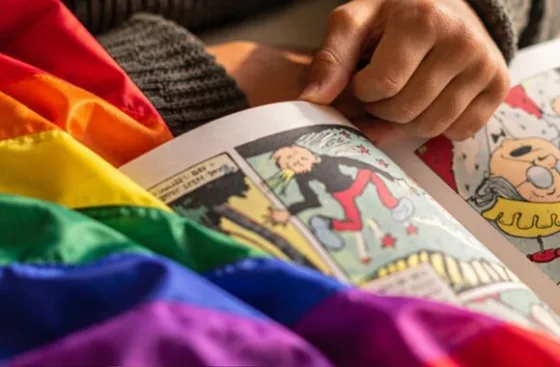
San Diego State University will offer a course in spring 2027 that teaches students to examine comic books and graphic narratives through the lens of LGBTQ+ culture, identity, and politics.
The course, titled “Queering Comics,” will explore LGBTQ+ representation in comic strips, comic books, and graphic narratives and teach students “queer methods of reading,” according to the course description.
The course will also introduce students to LGBTQ+ comic creators and examine themes involving identity, aesthetics, and politics.
Josiah Davidson, a media associate with the American Principles Project, criticized the course in comments to The College Fix, questioning its academic value and use of taxpayer funding.
“It is absurd that taxpayers are forced to foot the bill for this blatant educational malpractice,” Davidson said.
“Any respectable curriculum should be so saturated with genuinely beautiful works that students don’t even have enough free time to worry about ‘queer comics’ or the ‘queer method,’” he added.
The course is listed as an elective within SDSU’s LGBTQ+ Studies program. The university says core courses in the program count toward the LGBTQ+ Studies major or minor, and some also count toward general education requirements.
SDSU’s Center for Comics Studies identifies “Queering Comics” as one of 10 courses developed through a National Endowment for the Humanities-supported initiative to expand social justice education.
The initiative also supported courses examining race, religion, history, and environmental issues through comics.
Davidson, however, questioned whether courses focused on LGBTQ+ representation in popular culture provide meaningful academic value.
“It is safe to say there is little academic value gleaned in pouring this ideological drivel onto the developing minds of young scholars,” Davidson told The Fix.
“Schools should concern themselves with the study of the good, true, and beautiful; the glorification of LGBTQ propaganda falls well below that standard,” he added.
When asked what universities should consider when determining which courses deserve academic credit, Davidson emphasized what he views as the broader purpose of education.
“Education, generally, ought to be considered a civilizing project,” Davidson said. “It is the method by which man conforms himself to truth and curbs the excesses of his fallen nature.”
“Where these ends are not met, education has lost its real purpose and value,” he added.
Jess Whatcott, a professor in the university’s Women’s Studies and LGBTQ+ Studies programs, is listed as the instructor.
“Queering Comics is a new class that is thinking about the ways that comics have been a central part of Queer culture and community throughout the 20th century, and also the ways fears about queer and trans people have contributed to some of the backlash against comics,” Whatcott said in a video posted to YouTube.
“We are also going to look more recently at the ways that comics and graphic narratives have become the target of a new cultural backlash against Queer and Trans people,” Whatcott said.
Whatcott and SDSU did not respond to multiple requests for comment on the course content from The College Fix.
The course is among several LGBTQ+ Studies electives scheduled for spring 2027, alongside offerings such as “Queer of Color Studies” and “History of Sexuality.”
Other universities are adapting similar courses to their curriculum. NYU offers a course titled “Trans/Queer Approaches To Domestic(ity).” President of the American Principles Project Terry Schilling, told The Fix that the course is “a prime example of what is wrong with Academia and Higher Education.”
Cornell University offers a course that explores the “nightlife” of “queer communities of color,” and Boston University offers a “Food, Gender, and Sexuality” course that helps students explore the concept of “queer food.”