BUZZ
The state’s ‘militarized’ masculinity ranks higher on hierarchy because drugs lords are ‘marginalized’
A University of West England Bristol senior criminology lecturer recently spoke at Amherst College about how both drug traffickers and the countries fighting them “perpetuate violence through a hypermasculine behavior logic.”
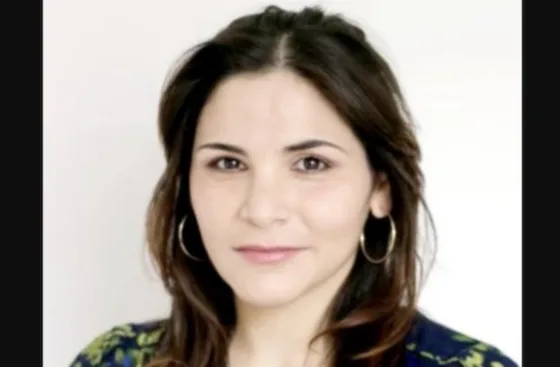
Karina García-Reyes, who according to her faculty page has expertise in “offender studies,” “disaperances” [sic], and “masculinities and crime,” spoke at the Nov. 12 Sexuality, Women and Gender Studies department event which, according to The Amherst Student, had “significant interest.”
García-Reyes disputed the “binary logic” of the War on Drugs that the narco traffickers are the bad guys, and the states which battle them are “protectors.”
“I challenge the fact that only criminals, the narcos, are made responsible for the human costs of the war on drugs,” García-Reyes said. “[I]t is a super masculine state through a militarized policy that perpetuates the horrors of the war.”
She noted police are to protect citizens while the military is “trained to kill the enemy,” and followed by asking students their thoughts about “military presence.”
A student from Washington DC said the National Guard on the streets of the city made “them” feel “uncomfortable and less safe.”
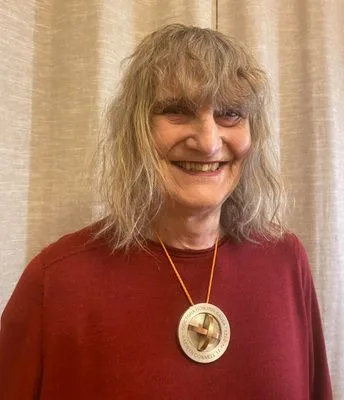
García-Reyes based her premise on trans-female feminist sociologist Raewyn Connell’s “hierarchy of masculinities.” Connell (pictured) is a founder of “masculinities” studies and coined the term “hegemonic masculinity.”
“Militarized masculinity” is located at the top of this hierarchy as it is “hegemonic and complicit,” while that of the drug lords is lower because it is “marginalized,” García-Reyes noted.
Nevertheless, both types of masculinity share traits such as “aggression, emotional suppression, and heterosexuality.”
In the Q&A session following her talk, García-Reyes responded to a question about how to deal with “hypermasculinity in government” by saying we need “more feminist politicians, less masculine individuals.”
García-Reyes’ talk appears to have drawn from her 2022 article “The ‘Real Man’ in the Global War on Drugs: Narco Versus Militarised Masculinities.”
The Amherst Sexuality, Women and Gender Studies department “examine[s] feminist and queer thought in a variety of global and historical contexts,” according to its website.
Coming to the department early next month is Chilean Professor Andrés Kalawski who will discuss “A Spiritual War: Anti-abortion street performances in Chile and the creation of the current far right.”
MORE: U. Cincinnati masculinity course aims to ‘transform organizational systems,’ ‘heal’ men
MORE: School helps students ‘nurture feminist masculinities’ during ‘Masculinities Month’