OPINION
Why should out-of-state students be allowed to vote on how the state of Michigan is run when they’re moving out after they earn their degree?
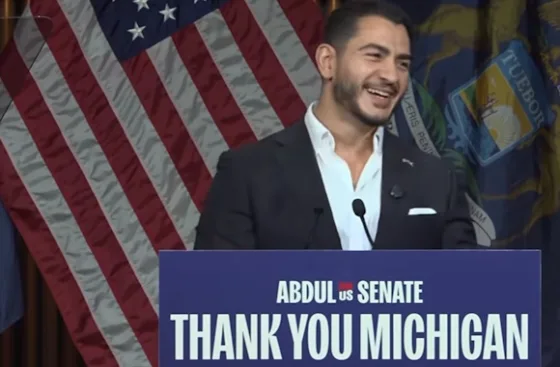
That’s the question Detroit News columnist Jack Brady is asking after Abdul El-Sayed won Washtenaw County, which includes the University of Michigan, by a 50-point margin:
To be clear, El-Sayed and others in his party would have triumphed last week even without the out-of-state vote, especially in overwhelmingly blue college towns like Ann Arbor and East Lansing. But this election was an anomaly. In normal times, without a historically unpopular president like Donald Trump in the White House, out-of-staters really can make a difference.
That’s a problem. Elections have serious consequences. Long-term residents actually have to live with the outcome; with the tax rates, economic agenda, education policy and public safety decisions put into place by the winners. Their quality of life shouldn’t be determined by part-time visitors.
There’s also the issue of security. Same-day registration makes it difficult to verify that these students haven’t already voted in their home states.
I might feel different if most out-of-staters stayed in Michigan after finishing school, but they don’t. Roughly 60% of U-M students and 40% of Michigan State University students leave after graduating. There’s no data for out-of-state students specifically, but the anecdotal evidence suggests that native Michiganians don’t drive those numbers.
As The College Fix previously reported, in the 2024 election a Chinese citizen and University of Michigan student faced charges for voting illegally before he fled the country. What’s more, current get-out-the-vote efforts at the University of Michigan are run by professors who repeatedly donate to Democrats.
Brady argued that a 1971 Michigan Supreme Court ruling that allows out-of-state voting is outdated and needs to be changed.
“The rise of absentee ballot, especially in the liberal enclaves that many out-of-staters hail from, means that changing the state’s election rules wouldn’t be disenfranchising. The question is no longer if they can vote — it’s where,” he wrote.
“These students should be making that difference back home, where they have both the knowledge and the skin in the game to cast a wise ballot,” Brady added. “Their hometowns and home states would be better because of it. Michigan and the nation would be better, too.”
Read the full column at the Detroit News.