
 FEATURED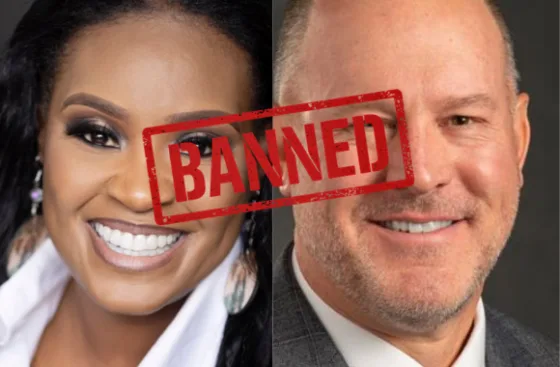
Trustees are supposed to ask questions, expert says
A new mandated “loyalty” pledge for Michigan State University trustees undermines free speech protections, higher education groups told The College Fix.
The new rules, put in place during a rare Sunday evening meeting in mid-May, requires trustees to refrain from publicly criticizing board decisions. Trustees who refuse to sign the loyalty oath can lose special privileges, such as prime tickets for sporting events and access to conferences.
Two trustees, Rema Vassar and Mike Balow, were prohibited from attending a summer conference after they declined to sign onto the new code of conduct, as The Fix previously reported. Vassar, a Democrat, and Balow, a Republican, had been critical of board transparency issues. Initially, Democrat Dennis Denno also opposed the loyalty pledge, but ultimately he signed it.
The new policy raises concerns for the Foundation for Individual Rights and Expression, which told The Fix it is “essential” that university trustees can “speak publicly about university affairs and other matters of public concern
The new policy “is both unconstitutional and counterproductive,” according to Aaron Terr, the group’s director of public advocacy. “It makes it harder to identify mistakes, correct bad policies, and hold public institutions accountable
FIRE sent a letter to MSU’s Office of the Board of Trustees, calling for revisions to the university’s ethics policy and citing concerns that the most recent version of the policy violates the first amendment.
“We don’t want to see these types of restrictions become the norm,” Terr told The Fix.
He said that board sanctions like this are common in K-12 schools, which bar “school board members from speaking to the press or public about school-related issues” while that at least one other university has similar bylaws.
Penn State University requires trustees to “coordinate all media and press interactions relating to matters that have come before the Board with the Board Office in advance.”
“The First Amendment protects the right of elected officials like MSU trustees to speak publicly about university affairs and other matters of public concern. That right is essential to the governance role they were elected to perform,” Terr said.
“The MSU code authorizes sanctions up to and including referral for removal from office,” Terr said, “even lesser penalties can pressure trustees to keep criticism and disagreements to themselves rather than speak candidly to the public.”
Terr said, “sanctions that deny officials privileges of office or interfere with their ability to perform official duties are unconstitutional.”
Other higher ed groups agree.
Nick Down, associate director of external affairs at the American Council of Trustees and Alumni, also voiced concerns about policies like Michigan State University’s becoming the norm in higher education.
“While the MSU policy does not create a legal precedent, it could create a governance precedent that other university boards may choose to mirror,” Down told The Fix in an email.
Down said that Michigan State university “risks eroding public trust at a moment when support for higher education is already fragile,” with a “path that punishes dissent and concentrates decision-making behind closed doors.”
“That possibility is concerning because policies that penalize public dissent risk chilling the speech of individual trustees and reducing transparency in institutional decision-making,” Down said.
“Board sanctions should be reserved for conduct detrimental to effective governance, such as violating state law, not for silencing good faith dissent,” Down said.
Trustees are not there to be rubber stamps he said, but act as “fiduciaries charged with asking difficult questions and representing the public interest.”
Similarly, Down said that universities, instead of suppressing controversy “should be places where disagreement, debate, and transparency are protected.”
A university spokeswoman sent The Fix a statement on behalf of board chair Brianna Scott, a Democrat, which compared the ethics code to Wayne State University’s code of conduct.
The statement read:
The Board of Governors at Wayne State University also has a Code of Conduct that includes similar standards, and the State of Michigan’s “State Ethics Act” provides standards of conduct for public officers and employees: Summary of State Ethics Act.
“The revisions clarify expectations around conduct, confidentiality, fiduciary responsibility and respectful engagement. They in no way limit free speech or restrict trustees from raising concerns, providing oversight or questioning decisions.”
The other trustees did not respond to two email inquiries sent in the past two weeks. The Michigan State U. spokeswoman also provided the contact information of the three opponents of the resolution.
MORE: Why DEI policies survive despite Trump’s executive orders

