
 FEATURED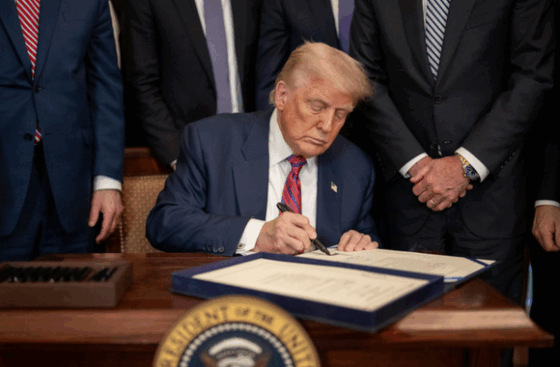
Key Takeaways
- Santa Clara University School of Law will offer $16,000 scholarships to all new students starting in fall 2026, effectively lowering tuition to approximately $50,000 to align with new federal loan caps.
- The federal student loan limits, set by the 'One Big Beautiful Bill' signed by President Trump, cap graduate loans at $50,000 per year, starting July 2026.
- Higher education experts predict this move may encourage other universities to either lower their tuition or provide financial aid to meet the new loan limits, ensuring affordability for potential students.
- Commentators suggest that schools have various options to manage tuition and financing beyond merely cutting prices, including offering private loans or alternative financing arrangements.
A new law that caps federal student loan borrowing appears to have induced at least one university so far to lower its own effective tuition.
Santa Clara University School of Law announced it will offer $16,000 scholarships to all new students starting in fall 2026. “The PLEDGE Scholarship was designed to ensure that next year’s incoming class has access to the funds they need to cover the cost of tuition for Santa Clara Law despite new federal loan limits,” the university announced.
This school year, first-year law students are paying $63,280 in tuition. The scholarship appears to effectively bring the tuition for students down to around $50,000 – the new annual limit for federal graduate student loans.
Under the “One Big Beautiful Bill” signed this summer by President Trump, taxpayer-subsidized student loans are capped at $50,000 per year for graduate students in certain programs, with a lifetime cap of $200,000. The limit applies to law schools.
The limits begin in July 2026, meaning it applies to the incoming class of 2026-27.
The lowering of tuition is a predictable response, according to higher education economist Preston Cooper.
“Some universities will probably find it’s better to lower tuition to be within the new loan limits, rather than keep tuition where it is and risk students not attending their school entirely,” Cooper told The College Fix via email.
“Also, some schools might not cut their headline tuition, but offer financial aid to ensure students’ out-of-pocket expenses are in line with the new loan limits,” the American Enterprise Institute expert said.
Cooper said universities have different options if they “don’t want to lower tuition.”
The schools could “try to help students find private student loans or outcomes-based financing arrangements like income-share agreements to help students cover tuition above the new loan caps.”
“Private loans for graduate school were fairly common before Congress removed caps on federal lending in 2006,” Cooper said.
Financier John Arnold, who highlighted the tuition decrease, suggested Santa Clara would be the first of many to lower tuition.
“I expect many schools to copy this,” he wrote in an X post.
The Fix reached out to the Santa Clara University law school via email and phone in the past several weeks, but no one responded to requests for further comment.
When the law first passed, other higher education commentators also suggested it might lead to reductions in tuition.
“Does a master’s degree have to be more than $100,000,” Barbara Coward told The Fix via email for an article in July. “Or a medical, doctoral, or professional need to be more than $200,000?”
Coward, founder of MBA 360 Admissions Consulting, said “[t]here are opportunities to lower the sticker price to match the new student loan caps without sacrificing academic outcomes.”

