
 BUZZ
BUZZ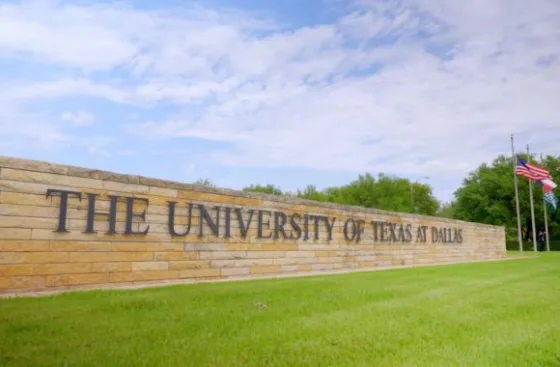
Key Takeaways
- UT Dallas placed student editor Gregario Olivares Gutierrez on a two-year deferred suspension for adding an editorial disclaimer to an article about campus antisemitism, which was deemed discriminatory harassment.
- The Foundation for Individual Rights and Expression contends that Gutierrez's disclaimer, which criticized the lack of credible sourcing in a letter about Israel's actions, is protected by the First Amendment and does not constitute harassment under Supreme Court standards.
University of Texas at Dallas administrators placed a former student editor on a two-year deferred suspension this month for alleged discriminatory harassment after he added an editorial disclaimer to an article.
However, a Foundation for Individual Rights and Expression spokesperson told The College Fix on Tuesday that the suspension has been postponed. The free speech group had sent a letter to the UT Dallas president demanding that the school clear Gutierrez’s record.
“On November 21, UT Dallas university attorney Timothy Shaw responded to FIRE’s letter via email, informing us Gregorio had exercised his right to a due process appeal,” spokesperson Karl de Vries told The Fix.
The controversy began when former editor-in-chief Gregario Olivares Gutierrez added a disclaimer to a July 2024 letter on campus antisemitism submitted to The Mercury by UT Dallas Hillel President Jade Steinberg. The disclaimer noted that the letter lacked sufficient credible sources, according to FIRE.
Following this, the school issued the suspension on Nov. 12.
In its letter to the school, FIRE stated that “Established precedent confirms that neither Gutierrez’s comments nor editorial decisions come close to the Supreme Court’s high standard for harassment, and thus they remain protected by the First Amendment.”
“Punishing Gutierrez for his editorial decisions further demonstrates UT Dallas’s continued disregard for its constitutional obligation to protect free expression on its campus,” the letter states.
Further, The Mercury Staff Handbook states that the publication may revise letters for spelling, grammar, and style, to remove any libel, or to meet the stated word limit, while maintaining the author’s intended meaning, according to FIRE’s letter.
Additionally, The Mercury Policy Compendium allows for corrections and fact-checking to be added as notes preceding a piece. Therefore, Gutierrez’s added disclaimer is permissible, FIRE stated.
The disclaimer addressed Steinberg’s claim that Israel is not committing genocide.
Gutierrez explained that the editorial board relied on the Society of Professional Journalists’ Code of Ethics in deciding to add the note.
They believed her letter framed the issue in a way that conflicted with “the most recent findings from humanitarian experts and intergovernmental bodies,” so they included additional context, according to FIRE.
The university concluded that adding the disclaimer was a deviation from standard practice, calling it “unprecedented” for an opinion piece. It determined Gutierrez’s actions were “subjectively and objectively offensive” and constituted “severe and pervasive” discriminatory harassment.
FIRE argued Gutierrez’s disclaimer does not meet the Supreme Court’s standard, which states student speech only counts as discriminatory harassment if it is unwelcome, based on a protected trait, and denies someone equal access to education.
In September, UT Dallas administration shut down its student newspaper and revoked its authority to host guest speakers, citing violations of its media bylaws, The College Fix previously reported.
The administration removed paper copies, demoted staff, and fired Gutierrez after The Mercury covered pro-Palestinian protests.
MORE: DOJ sues California for illegal immigrant tuition deal

