FEATURED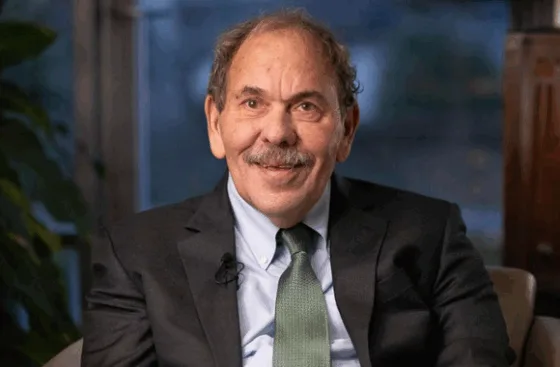
Key Takeaways
- Brandeis University's new curriculum is drawing mixed reactions from experts.
- While some experts support the initiative for addressing gaps between liberal arts and labor market needs, concerns are raised that it could undermine the traditional values of a liberal arts education, focusing excessively on job preparation at the expense of critical thinking and humanities.
Brandeis University plans to “reinvent the liberal arts” through a new “core curriculum for the 21st century” – but the idea has drawn mixed reviews from higher education experts.
The liberal arts university in Massachusetts unveiled its new plan which will combine the school’s traditional curriculum with “applied knowledge in fields such as business, public policy and technology.”
“Brandeis’ new model for higher education fully integrates the values of a rigorous liberal arts education with career readiness, ethical grounding and lifelong learning,” the school said.
“When the world changes that quickly, all our social institutions get left behind, including colleges and universities,” President Arthur Levine said during a rollout in September. He took over the university in Nov. 2024 as interim president and now is officially the leader of the school.
“So we have two choices: we can wait and wait and rub our heads together, or alternatively, we can act,” Levine (pictured) said.
Students will have an “academic advisor” and “career advisor,” he said at the National Press Club.
In a separate opinion piece at Hechinger Report, Levine said he is not abandoning the liberal arts.
“But we need to act now, not by rejecting the liberal arts, but by embracing them and reshaping them,” he wrote.
The plan includes career preparation throughout a student’s entire education. This means students must complete internships or apprenticeships, receive ongoing career counseling and have a “second transcript” that shows their skills and special certificates along with their regular academic grades.
The university did not respond to a request for the comment in the past three weeks on the reason for the changes and for more information on the courses.
A higher education researcher at Harvard University said this plan can be successful but only if it stays up to date on the changing economy.
Kathleen deLaski, author of “Who Needs College, Anymore?” said this plan will address real gaps between liberal arts education and today’s labor market.
“Understanding your own skills and having the agency to build on them is key,” deLaski told The Fix via email. Her book discusses how gaining work experience is becoming increasingly important for getting hired.
According to deLaski, employers often expect candidates to have two to three years of experience even for entry-level professional positions, so she believes colleges should better prepare students by integrating real-world experience into their education.
While she thinks the plan has a lot of merit, deLaski said there could be some pitfalls. One potential risk she sees is if Brandeis focuses on outdated skills, similar to teaching coding when the technology has evolved and employers no longer need coders for those roles.
“We can’t walk away from using the college degree to teach critical thinking, historical context, and how to challenge information and assumptions,” she said. “That is becoming more important than ever.”
The former dean of the Honors College at the University of Tulsa said the “humanities will obviously suffer” if the curriculum becomes just about finding a job.
“It seems clear to me that Brandeis has decided that every form of study there is yoked to work and professional life—even something that might look like liberal learning is broken down into some marketable skill set or microcredential for work,” Professor Jennifer Frey told The Fix via email. “Everything is a marketable skill that can be quantified and measured.”
This approach, she says, shifts the college away from the foundational ideals of a liberal arts education and reframes learning primarily as job training.
“It is the opposite of a liberal arts education,” Frey said.
“They admit they are ‘redefining’ it—well, Aristotle had a word for what they are offering: a servile education, where all learning is valued only by how useful it is to a job or trade,” Frey said. “If students go to Brandeis to prepare for a job in everything they do, if every form of study is meant to give a market edge, the humanities will obviously suffer.”
MORE: Senator denounces ‘outrageous’ use of worker visas to fill Yale, Dartmouth DEI jobs