
 BUZZ
BUZZ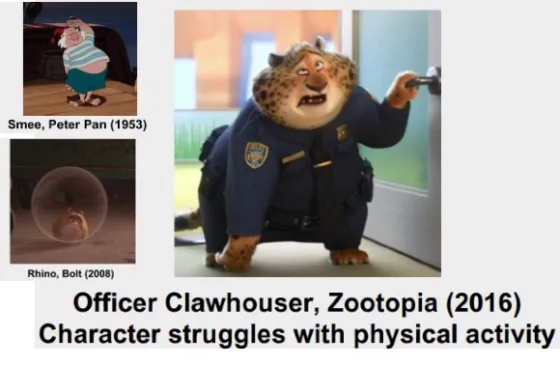
Other ‘derisive’ depictions include ‘becoming stuck in an object’ and moving slowly: study
Disney’s animated films perpetuate “harmful stereotypes” by depicting fat characters as “eating more” or “becoming stuck in an object or space,” according to a study by University of Southern Maine scholars.
Their research, “‘You’re getting a little big for this’: fat characters in Disney animated films,” was published in the journal Fat Studies this month.
“These derisive, stereotypic depictions further harmful, fatphobic narratives about the inability of fat people to belong in society, primarily due to their own choices around (over)consumption and physical (in)activity,” co-authors Rachel Casey and Grace Brenner wrote.
Casey, a social work professor, and Brenner, a graduate student, compared the number of fat characters to “straight sized characters” in all 54 of Disney’s animated films, including “Peter Pan,” “Zootopia,” and “Cinderella.”
Of the 124 fat characters that they identified, most were white, male, middle age, lower class sidekicks, according to the study.
The study found that 70 percent “of fat characters were portrayed with at least one stereotypical depiction of fatness, such as becoming stuck in an object or space … or eating more than other characters.”
According to a presentation about the study, posted on the university’s website, problematic stereotypes include Smee in “Peter Pan” wearing “ill fitting clothes” and Gus Gus in “Cinderella” moving slower than other characters.
Other examples include a fat character’s body making “a thump upon landing” and others being depicted as eating “more than others” or making comments about “loving food.”
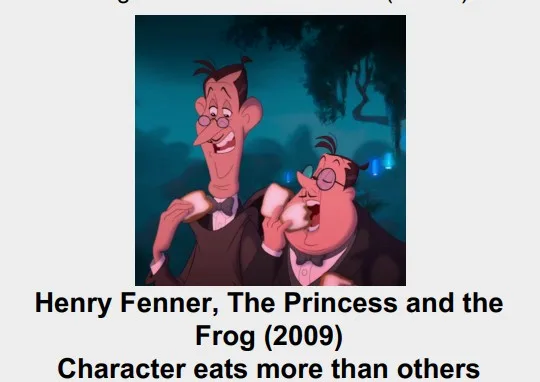
“As Disney remains a dominant cultural force, it is important to consider the harmful stereotypes perpetuated in their films,” the presentation states.
“The association between fat characters and food related depictions reinforces harmful rhetoric that fat people choose to be fat or lack control over themselves due to eating habits,” it states.
In the past, other things labeled as “fatphobic” by scholars include the advice that people should eat healthily, college classrooms, and a Taylor Swift music video.
MORE: Med school hosts ‘body terrorism on fat LGBTQ+ people’ seminar

