
 FEATURED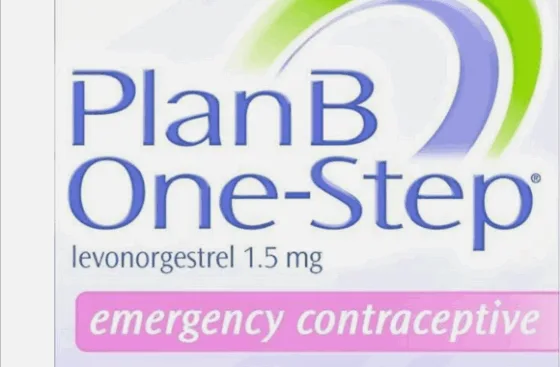
Northwestern University has a “responsibility” to tell students about what is in its new “reproductive vending machine,” a pro-life leader told The College Fix.
The Big Ten University in Evanston, Ill. plans to put a “reproductive vending machine” in the Norris Center on campus following a request from the Associated Student Government’s Health and Wellness Committee.
The vending machine will dispense “Narcan, urine test strips, Plan B, condoms, tampons and lube,” according to The Daily Northwestern.
The school had not installed the machine as of Nov. 7 when The Fix last checked.
The inclusion of Plan B, which can either prevent pregnancy or cause an early abortion, is concerning according to a local pro-life group that works on college campuses.
“If the university is going to make these products available, it also has a responsibility to educate students truthfully about what they do and the lives that may be affected by them,” Anna Kinskey wrote in a message to The Fix. She is the executive director of weDignify, which has worked on campuses including Northwestern University and Loyola University-Chicago.
She said:
Life begins at the moment of sperm-egg fusion, before implantation. Plan B’s potential to end a developing human life is deeply concerning, especially if students aren’t aware that this is a possibility. Students should be fully informed that Plan B is not just a form of contraception, it can also end the life of a child.
“Placing Plan B in a central campus building like the Norris Center normalizes its use and sends the message that ending the earliest stages of human life is routine or inconsequential,” Kinskey said.
Another Illinois-based pro-life group said students have better options than pills from a vending machine.
“The Sheil Catholic Center on the Northwestern campus is a much better place to turn for help in that situation than a heartless vending machine full of pills,” Matt Yonke with Pro-Life Action League told The Fix via email.
“Having Plan B in a vending machine sends a message to students that this is something you’re likely to need during your time here at Northwestern,” Yonke, the chief operating officer, told The Fix. “Is that really a message we want to be sending? Stocking vending machines with Plan B instead of educating students on pregnancy prevention seems like lazy leadership on the part of the supposed adults in the room.”
Plan B will be available for free, with limits, according to the student newspaper.
Tess Benser, assistant director of outreach and sexual wellness at Northwestern’s Center for Student Advocacy and Wellness, helped select the products.
Northwestern Media Relations said The Fix is unable to interview Bessner about why these resources should be easily available and how students are informed about the consequences of Plan B.
Media relations also declined to comment on the negative effects of Plan B.
Northwestern students are already able to get the pills free at the Searle Center’s Center for Student Advocacy and Wellness. The Center’s Student Health Service Pharmacy also sells the pills for $10.
On its website, the health center defines emergency contraception as “a medication that greatly reduces the chances of pregnancy when taken quickly and effectively.”
Further, it states:
EC does not cause an abortion, but instead prevents pregnancy from occurring in the first place by delaying or stopping ovulation. EC is ineffective if pregnancy has already occurred and cannot harm an already developing fetus.
EC pills are a safe and effective medication for people of all ages… EC also does not cause any serious harmful long-term side effects.
However, previous research from The Fix details that Plan B could kill the unborn child. The issue is in dispute, with pro-life groups such as Students for Life of America stating Plan B can cause an abortion by preventing implantation of a fertilized egg, meaning a new human life. Historically, this is what the information on packages such as Plan B One-Step stated.
The U.S. Food and Drug Administration has previously said Plan B “may prevent a fertilized egg from attaching to the womb,” meaning it can, in some cases, stop a newly conceived embryo from implanting.
Pro-life medical experts, including OB-GYN Dr. Donna Harrison, have argued this makes the drug “embryocidal,” since a non-implanted embryo cannot survive.
The SHAPE group declined to comment on stories from sources outside of Northwestern. The Fix asked the group’s thoughts on the machine’s role in promoting sexual health and safety on campus and why reproductive resources should be made so easily available.
The Northwestern Sexual Health & Assault Peer Educators group also has a Plan B hotline that supplies free pills anonymously to those who fill out a form and have a Wildcard.
Other universities have also introduced similar vending machines in recent years, including the University of California, Santa Barbara and others in the UC system.
MORE: Abilene Christian U. apologizes after forcing student to take down ‘abortion is murder’ sign

