BUZZ
BUZZ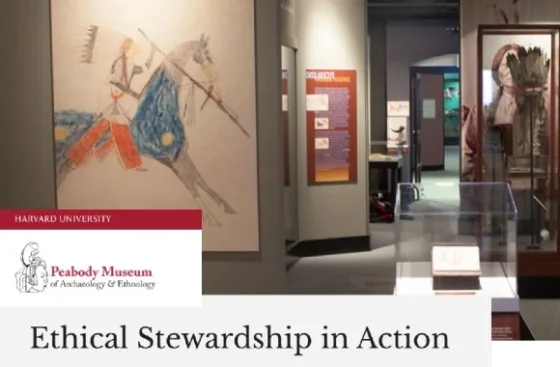
‘It shouldn’t take this long …’ Hawaii lawmaker tells 11 universities
Nearly a dozen universities received letters from U.S. Sen. Brian Schatz this month demanding information about their efforts to repatriate “hair clippings” and other Native American artifacts in their collections.
“It shouldn’t take this long to return Native remains to their communities. Indigenous people have waited long enough,” the Hawaii Democrat stated Wednesday in a news release.
“It’s time for these museums and universities to stop the delays and finally do the right thing,” Schatz stated.
Schatz’s letters urged 11 universities to “promptly repatriate” the human remains and “cultural items” in their collections, as is required by the federal Native American Graves Protection and Repatriation Act requires.
In a letter to Harvard University President Alan Garber, Schatz asked about its Peabody Museum’s collection of 1,500 hair clippings, nearly half of which were “taken from the heads of Native American children attending U.S. Indian Boarding Schools.”
The other hair clippings in the collection came from people in Asia, Central America, North America, Oceania, and South America, Native News Online reported in 2022.
Initially, Harvard leaders contended that the repatriation law did not apply to the hair clippings. In its original form, NAGPRA applied to human remains and sacred and funerary objects that were found buried with the remains. However, regulatory changes expanded the scope of the law, and Harvard eventually reversed course and agreed to repatriate the hair clippings, according to the 2022 report.
“We recognize that for many Indigenous communities, hair holds cultural and spiritual significance. Hair is sacred and is filled with meaning and power. The dispossession of hair from Native Americans has caused spiritual and emotional harm to those individuals and their descendants,” the Peabody Museum website states.
The museum’s main website also includes an apology for Harvard’s “objectification of Indigenous peoples and the taking of cultural heritage.”
Schatz asked Harvard for an update on its repatriation of the Native American hair. His letter did not mention and it is not clear if the museum also plans to return the hair clippings from other cultures to their descendants.
Another letter to University of Missouri, Columbia addressed the institution’s concerns that some of the artifacts in its collection lack “geographic information, making cultural affiliation difficult, but not impossible.”
Sen. Schatz asked the university for an update on its efforts to identify the tribal affiliations and return the objects.
The senator also sent letters to the University of California Berkeley, Indiana University, University of Tennessee Knoxville, University of Kentucky, University of Alabama, University of Arizona, University of Florida, University of Oklahoma, and University of Texas at Austin.
In the news release, Schatz described the repatriation process as unnecessarily “slow” and faulted universities for continuing to hold “tens of thousands of Native remains and items” in their collections.
However, some scholars say the repatriation regulations have become overly broad, making it nearly impossible to study Native American cultures anymore.
Additionally, free speech concerns have been raised about policies at some universities that prohibit professors from showing images of Native American artifacts in their classes unless they have the tribe’s permission.
MORE: U. Arizona repatriation of Native American eagle feathers goes too far: report