
 BUZZ
BUZZ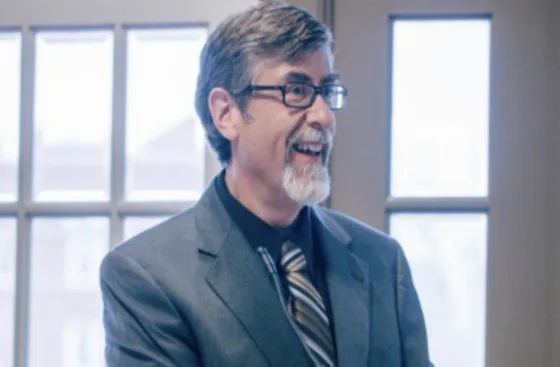
ANALYSIS: Just a ‘decentralized movement animated by opposition to fascism’ that ‘occasionally’ resorts to violence
A University of Dayton sociology professor who researches “white racial extremism” says the Trump administration’s designation of Antifa as a domestic terror group and other associated comparisons “don’t track.”
Writing in The Conversation, Art Jipson claims the “terrorist” label — and Homeland Security Secretary Kristi Noem’s parallels of Antifa to MS-13, Hamas, and the Islamic State — “ignore crucial distinctions in ideology, organization and scope.”
In late September, President Trump declared Antifa a “domestic terrorist organization” via executive order, noting it “uses illegal means to organize and execute a campaign of violence and terrorism nationwide” in order to “overthrow of the United States Government, law enforcement authorities, and our system of law.”
Like other contributors to The Conversation, Jipson declares himself an expert — in this case, “of social movements — and says Antifa is merely “a decentralized movement animated by opposition to fascism and far-right extremism” … it “lacks membership rolls[,] leadership hierarchies [and] doesn’t have centralized funding.”
According to Jipson, Antifa is “an assortment of small groups that mobilize around specific protests or local issues” whose “tactics range from peaceful counterdemonstrations to mutual aid projects.”
These include “peaceful” counter-protests in Portland, OR in 2019, and helping victims of 2017’s Hurricane Harvey in Houston. Jipson notes “independent” terrorism experts at the far-left Brennan Center agree with him.
What’s more, neither the FBI, DHS, nor State Department have ever previously classified the far-left radicals of Antifa as anything more than “domestic violent extremists.” (The previous administration, did, however, consider a “domestic terrorist” label for parents who showed up to school board meetings to ask tough questions.)
Jipson does concede, however, that Antifa “occasionally” resorts to violence and “can be confrontational.”
Put a check in that “occasionally” column for the Turning Point USA student leader at the University of Colorado, Boulder attacked by a “suspected” Antifa member. Same with journalist Brandi Kruse in the aforementioned Portland. Ditto conservative pundit Michael Knowles at the University of Pittsburgh. Among other instances.
Jipson believes the (alleged) conflation of Antifa with a terror group fits President Trump’s goal of quashing “dissent”:
It stokes fear among conservative audiences by linking street protests and progressive dissent to global terror networks. It also provides political cover for expanded domestic surveillance and harsher policing of protests.
Additionally, it discredits protest movements critical of the right. In a polarized media environment, such rhetoric performs a symbolic purpose. It divides the moral universe into heroes and enemies, order and chaos, patriots and radicals. …
Equating protest movements with terrorist organizations blurs important distinctions that allow democratic societies to tolerate dissent. It also risks misdirecting attention and resources away from more serious threats — including organized, ideologically driven groups that remain the primary source of domestic terrorism in the U.S.
Prof. Jipson (“He/Him/His” pronouns) is one of the more prolific writers at The Conversation, posting 14 articles in the last six years. These include “White nationalism, born in the USA, is now a global terror threat,” “Patriots’ Day: How far-right groups hijack history and patriotic symbols to advance their cause, according to an expert on extremism,” and “Charlie Kirk and the making of an AI-generated martyr.”
The professor echoes his concerns about alleged reactionaries on X, such as the reinstallation of a Confederate general’s statue, how Dutch Muslims are worried about that country’s “far-right,” and how Trump’s White House “flaunts its indifference to the law.”
MORE: Professor who calls Antifa violence ‘vital’ is giving proceeds of his propaganda to Antifa
MORE: Dartmouth professor says politically partisan violence is a ‘phantom threat’

