
 BUZZ
BUZZ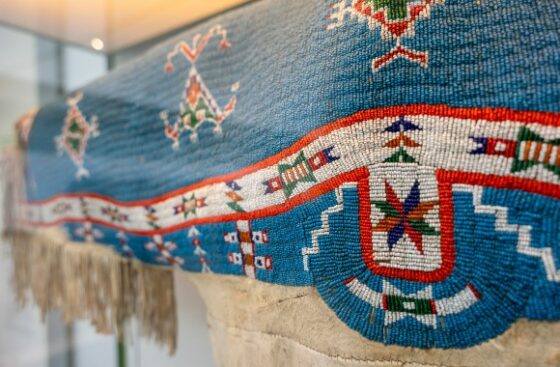
Vice chancellor says policy is ‘important human rights and cultural heritage effort’
The University of California Davis reminded faculty Thursday that they cannot use Native American “cultural items” in their classrooms or research unless they have “tribal and university approval.”
In the message, Vice Chancellor Mary Croughan said the policy, which applies to the whole University of California System, aims to bring institutions into compliance with the state and federal Native American Graves Protection and Repatriation Acts.
The two laws require public institutions to return “ancestral human remains and certain cultural items” in their collections to Native American and Hawaiian tribes, Croughan wrote.
“I write to raise awareness of the policy’s requirements, to affirm UC Davis’s commitment to these laws and to the guiding principles and procedures of the UC policy, and to enlist your assistance ensuring the campus fully complies with this important human rights and cultural heritage effort,” she wrote.
Croughan then outlined several key points of the policy, among them a restriction on using “cultural items” for educational purposes.
The policy “[p]rohibits the use of Native American or Native Hawaiian human remains or cultural items in research or instructional activities without tribal and university approval,” she wrote.
Although the laws originally were written to ensure ancestral remains and a limited number of sacred items be offered to tribes, recent policy changes and federal guidelines have expanded the scope. For example, earlier this year, UCLA announced plans to return not just human remains but also photo negatives of petroglyphs and hundreds of other items from its museum to a California tribe, The College Fix reported.
Another part of the policy allows tribes to dictate how universities store cultural items that have not been repatriated.
University employees must “consult with tribes regarding traditional practices for the care of ancestral human remains and cultural items,” the vice chancellor wrote.
Campuses also must “proactively review” their collections to make sure tribes have the opportunity to reclaim these items, Croughan wrote in her message.
This may mean visiting and talking to artifacts that tribes believe are “relatives and shouldn’t be left alone,” The Fix reported earlier this year.
Universities also are supposed to set up a reporting system where students and employees can complain if they believe someone is not treating a Native American object “properly,” according to the message.
These efforts at California higher education institutions have prompted concerns among some archeologists and anthropologists, as well as a campus free speech organization. Opponents argue that policies like these limit professors’ ability to teach and students’ ability to learn about Native American tribes.
MORE: Keeping Native American artifacts for research causes ‘trauma’: California State U. draft policy

